
When a storm tears into your home, every hour matters. We tarp, board up, pull the water, and dry the structure — and we handle your insurance claim for you.
Get a Free Inspection Now
Thank You!
We'll get back to you shortly. For immediate help, call (941) 205-7980.



After a storm, the damage you can see is almost never the whole story. If any of these sound familiar, call us — we'll come take a look at no cost. Storm damage restoration starts with stabilizing the property before anything else. The first day decides how much of the structure survives. Every property is assessed for structural damage before any repairs are scheduled. Storms rarely damage only one part of a building.
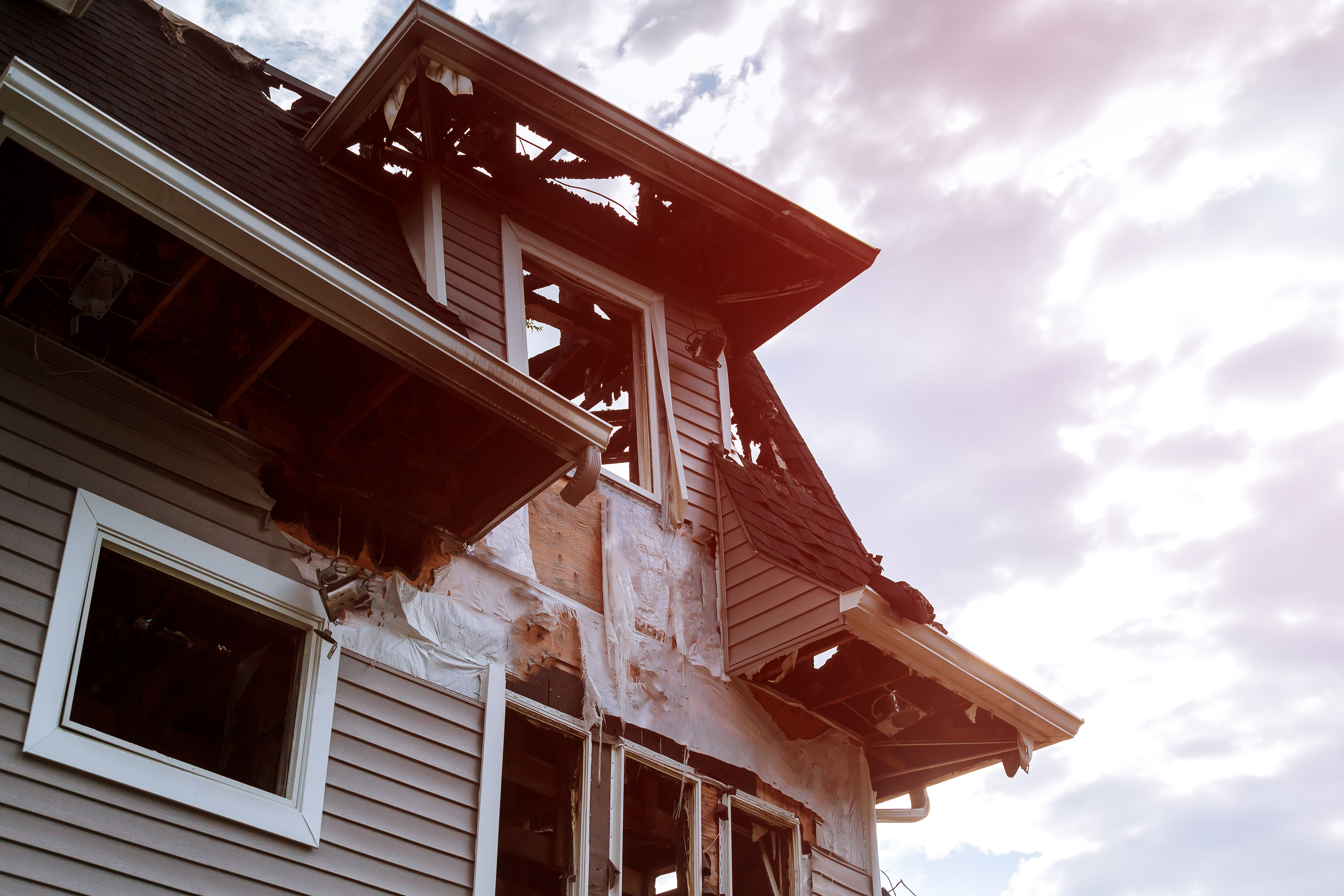
Wind lifts shingles and forces rain into your attic and ceiling. By the time you see a water stain, insulation is already wet and the cavity above is soaked through. Water tracks along framing and drops into rooms well away from the entry point. Structural drying has to cover the whole path, not the stain. A compromised roof above a ceiling usually means the insulation is holding water too.
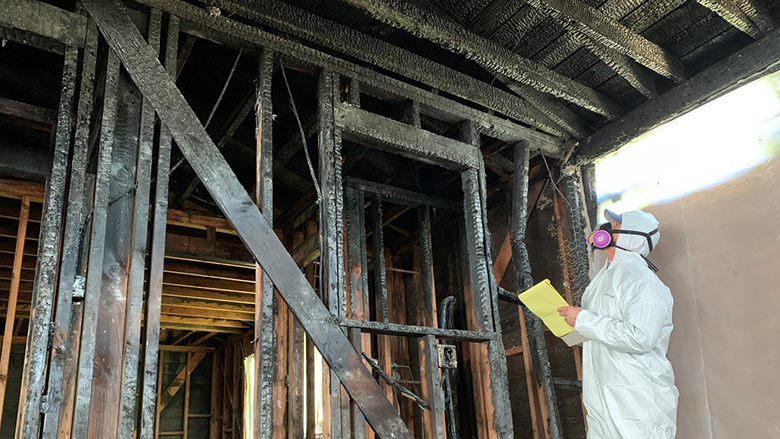
A broken window or blown-out door means rain, wind, and debris keep coming in long after the storm passed. The opening needs to be boarded up fast — for weather and security. Emergency response inside the first hours is what keeps repairs to a single room. Securing the property is the first billable step of storm damage restoration. Storms leave a property exposed until it is sealed.
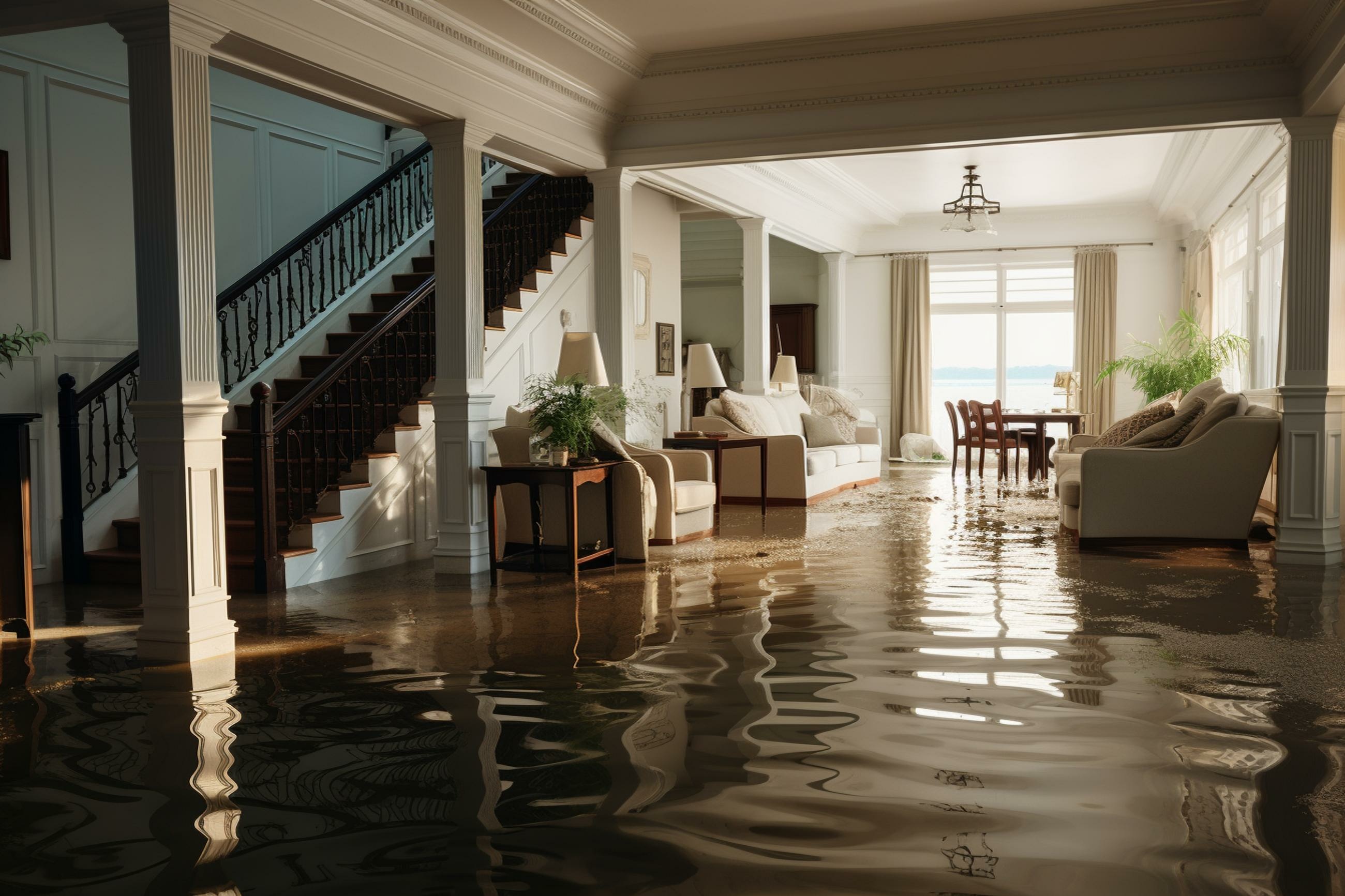
Floodwater that rolls in from outside is rarely clean — it carries sewage, chemicals, and bacteria. Every hour it sits, more of your floors, walls, and contents are at risk. Flood damage restoration is a different scope again, because water that entered from outside is treated as contaminated. Storms push water into places that ordinary plumbing failures never reach. Contents and structure are documented separately for the claim.
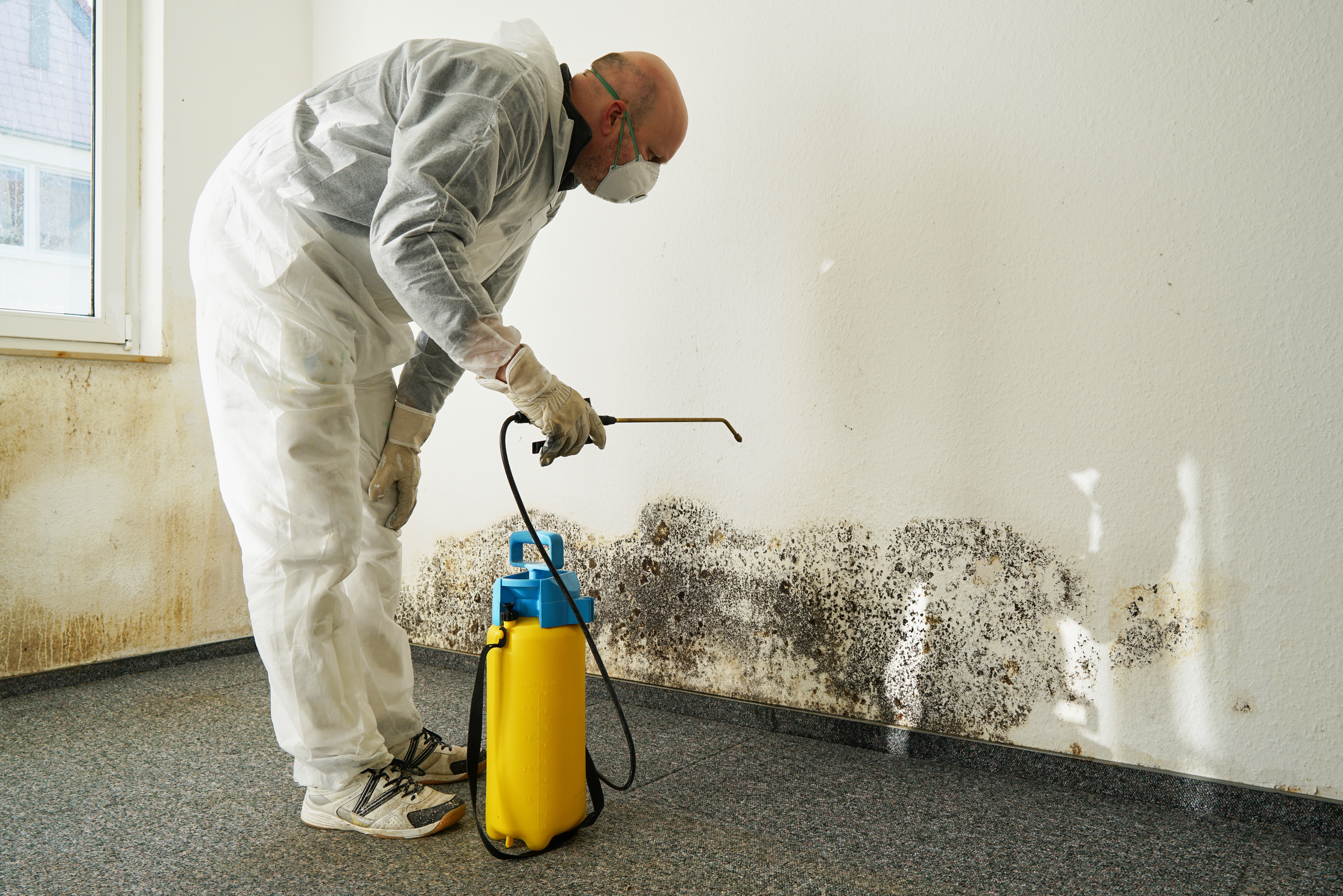
A musty smell within a few days of a storm means mold has already started behind the walls. After water exposure, mold can begin growing in as little as 24 to 48 hours. That timing is why storm damage restoration is measured in hours rather than days. Restoration that starts on day one avoids most of that risk entirely.
When a storm or hurricane hits your home, you need one team that can stabilize the building, dry it out, and document everything for your insurance claim — not three different contractors passing you back and forth. Suncoast handles storm and hurricane damage restoration from the first emergency call to the moment your home is dry, clean, and ready for rebuild. We tarp the roof, board up openings, extract the water, dry the structure, treat anything contaminated, and document every step. General water damage restoration work overlaps with storm jobs — same equipment, same standard, same daily moisture log. Commercial properties get the same process, only with more equipment on site. Commercial and residential properties follow one written process. Larger commercial jobs simply need more drying equipment.
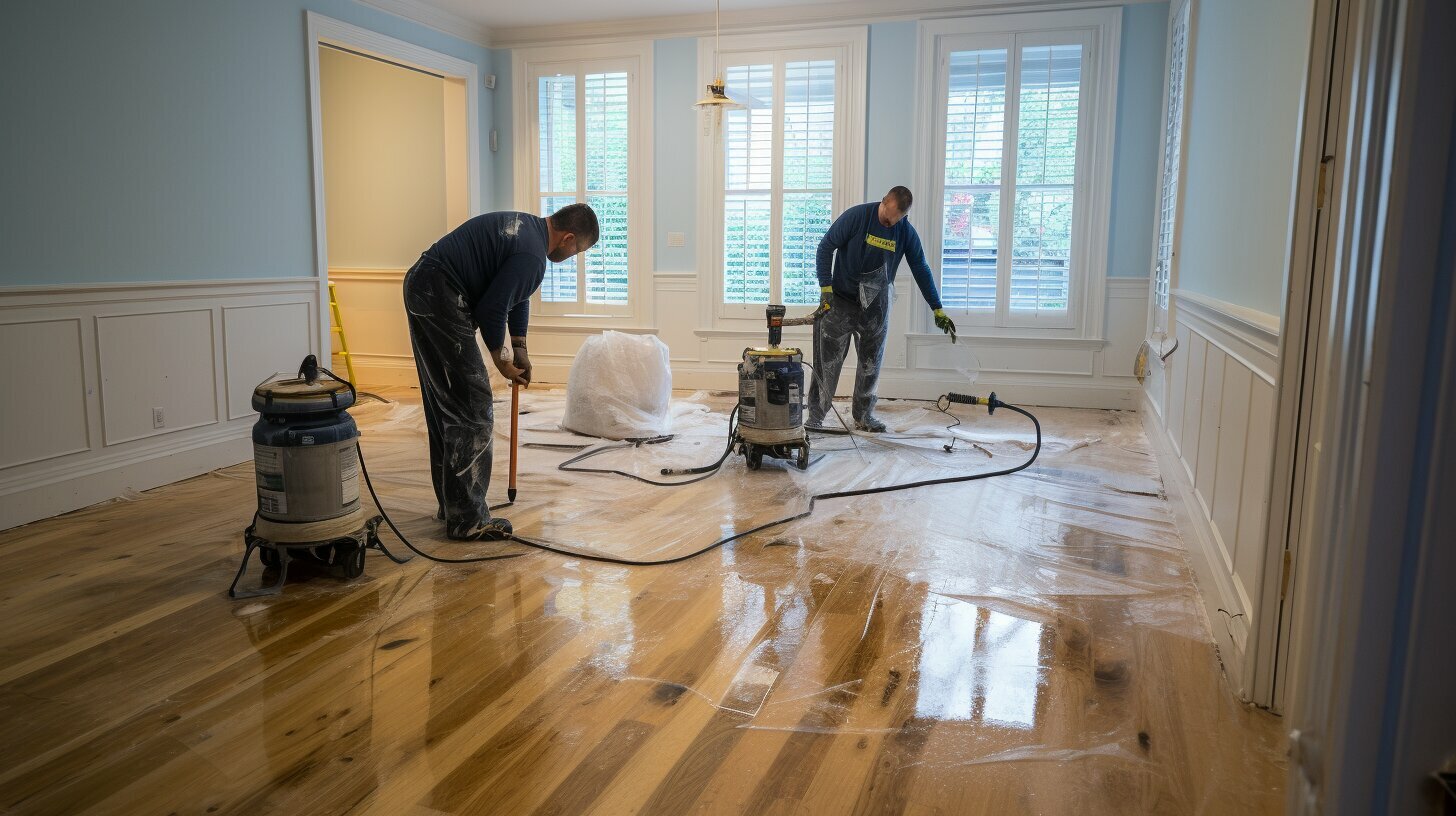
Most homes need more than a quick dry-out. Wet drywall has to come out above the water line. Wet insulation never fully recovers, so it gets pulled. Wet carpet pad is a sponge — it gets bagged and replaced. We remove what can't be saved, save what can be saved, and leave the space ready for reconstruction. Every job runs to the IICRC S500 standard for water damage work, with daily moisture readings logged so you can see the dry-down in real numbers. Readings are logged daily so the drying is verifiable rather than assumed. Property owners get the same reporting whether the job is a room or a whole building.
The first thing we do is stop more water from getting in. Our crews install heavy-duty tarps over damaged roof sections and board up broken windows and doors. That seals the building against rain, wind, and weather while we move on to the inside work. Roof damage is stabilized first so the weather stops making the problem worse. Repairs to the exterior and the drying inside run in parallel. Exterior repairs stop the damage spreading further inward.
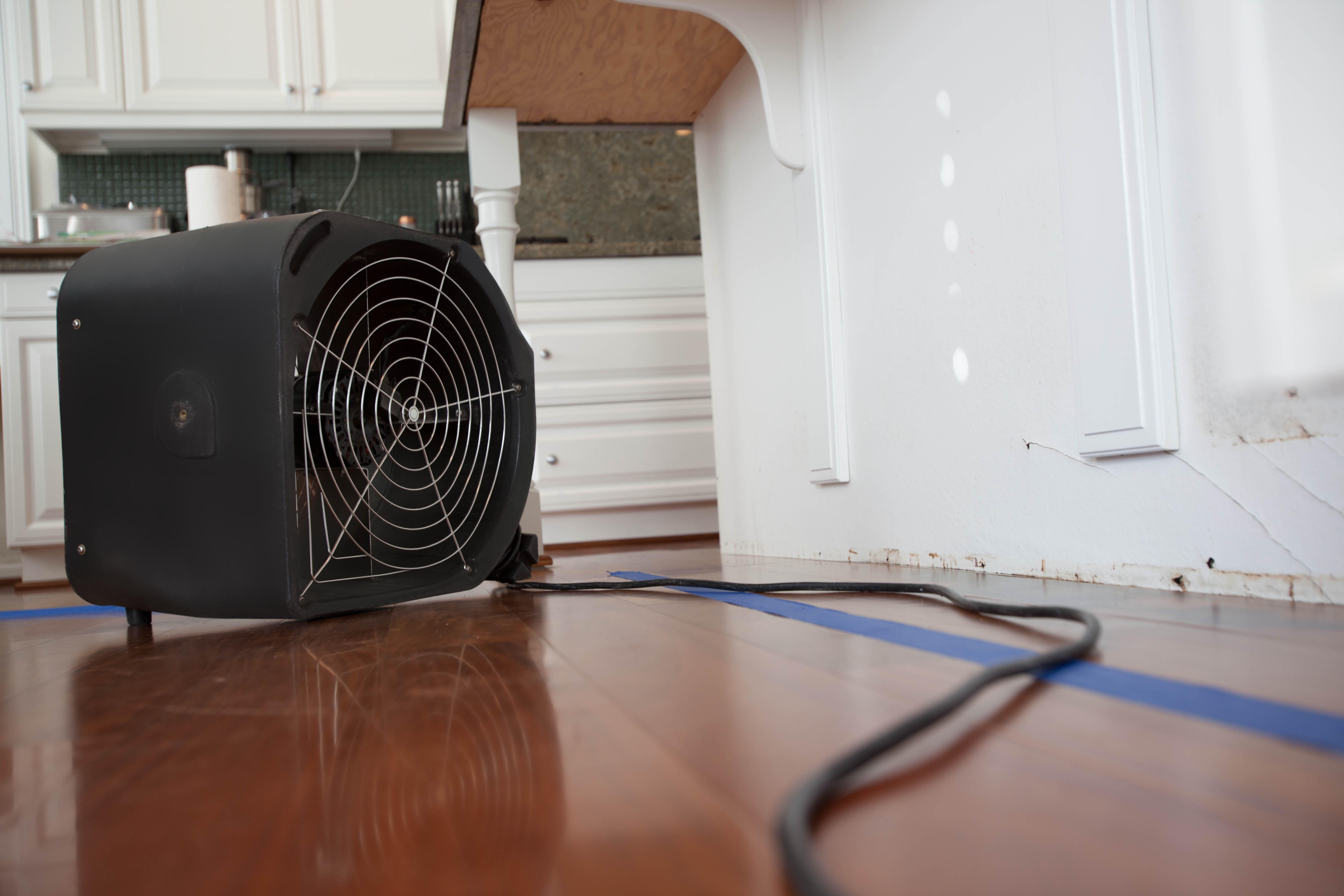
Once the building is secured, we pull out standing water with truck-mount and portable extractors. Then we set commercial LGR dehumidifiers and air movers, and we run them around the clock — taking moisture readings every day with meters and thermal cameras until the structure hits dry standard. Structural damage is assessed once the property is dry, never before. Structural repairs are scheduled only once those numbers hold. Repairs begin the moment the structure passes.
If mold has already started — or if water sat for more than a day or two — we contain the affected area, run HEPA air scrubbers, remove contaminated materials, and treat surfaces with EPA-registered antimicrobials. That keeps spores out of the rest of your home while we finish the job. For larger contamination jobs, we lean on our full mold remediation process to make sure nothing gets missed. The same sequence runs on residential and commercial jobs alike. Severe weather work is sequenced so nothing is rebuilt over damp material.
From the first emergency call to the dry-standard moisture reading — here's exactly what to expect. Severe weather claims move faster when the documentation starts on day one. Storm damage restoration on a whole property is still one point of contact. Severe weather restoration follows the same written standard every time.
After a storm, every hour matters. Here's what you get when you call us. A crew on site within the hour, and a written scope before any repairs begin. Emergency response is staffed year round, not only in season.
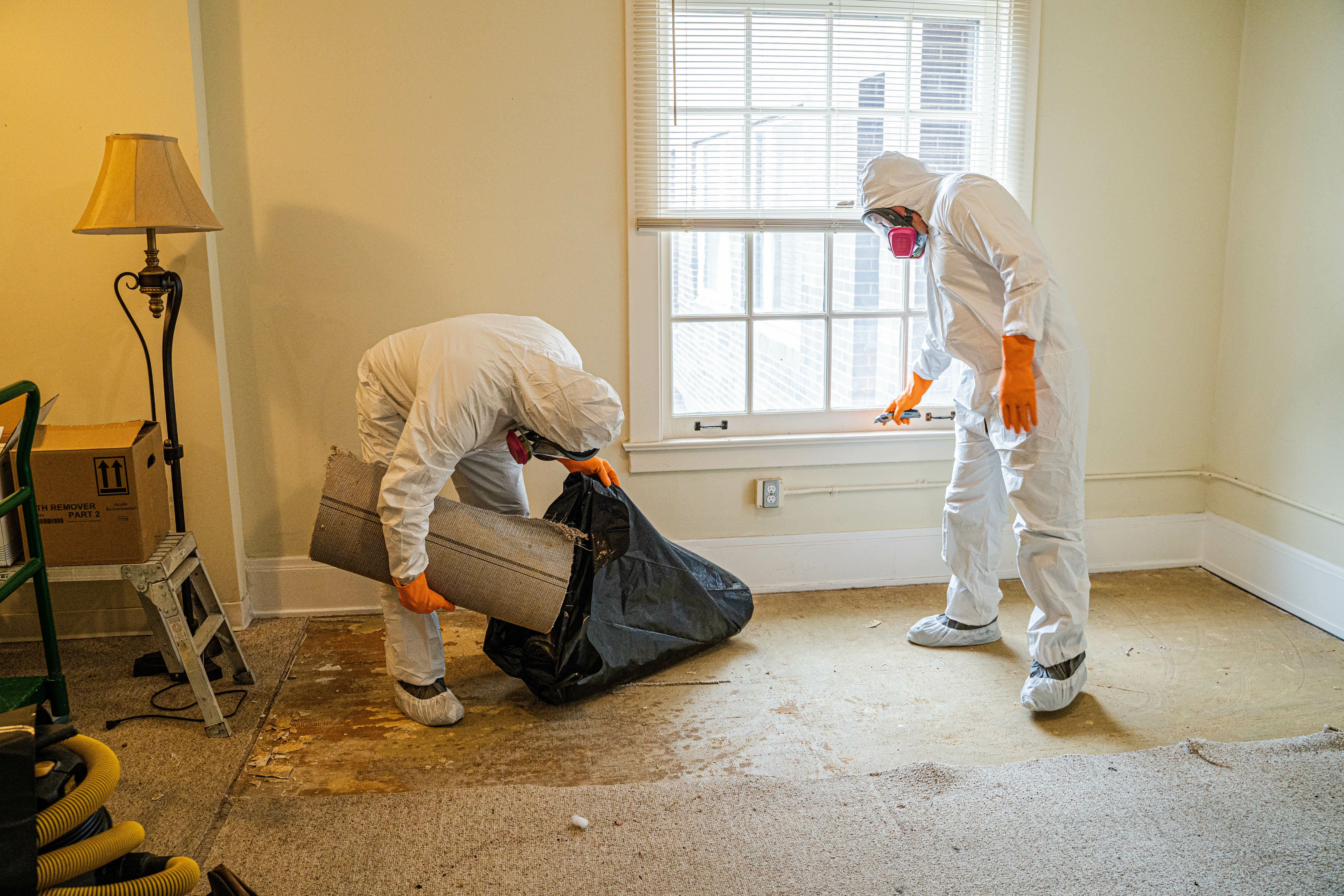
After a storm, every hour matters. Mold can begin growing in as little as 24 to 48 hours after water gets into your home — and a delayed response can turn a smaller mitigation job into a much bigger remediation job. Our crews answer the phone around the clock and get on-site fast, so the mold clock never gets to start. Fast water removal is the single best defense against a secondary problem later. Water removal happens before any cleaning or construction begins.
We bill your insurance directly. You pay your deductible — that's it. We document every part of the job with photos, daily moisture logs, and an itemized scope, so your claim moves through the adjuster without back-and-forth. No assignments of benefits, no surprise charges, no upcharges without your written approval. Storm repair pricing is fixed at the inspection and does not move afterwards. Repairs are itemized so you can see exactly what each part costs.
Our team is IICRC-certified in Water Damage Restoration (WRT), Applied Structural Drying (ASD), and Applied Microbial Remediation (AMRT), and our mold work is performed under Florida MRSR licensing. You get a real restoration crew with the right credentials, the right equipment, and a written record of every step — not a storm-chaser truck that disappears after the check clears. Property restoration here includes the rebuild handoff rather than ending at drying. The job is finished when the property is usable, not when the invoice clears. We stay through the rebuild rather than handing the property to someone else.
Suncoast Mold & Water Restoration responds to storm and hurricane damage calls 24/7. We tarp, board up, dry, and document — and we bill your insurance directly so you focus on your family. Disaster recovery on a whole property is one contractor and one scope. One contractor handles the whole recovery rather than three. Recovery on a damaged property is faster with a single scope.