
When sewage backs up into your home or you're facing a biohazard scene, you need it gone and you need it done right. We move fast, contain the area, remove what's contaminated, and don't sign off until the space is verified clean. Free inspection, 24/7.
Get a Free Inspection Now
Thank You!
We'll get back to you shortly. For immediate help, call (941) 205-7980.




These are the situations that need a professional crew in the right gear — not a mop and bucket. Biohazard cleanup is regulated work, and the protective equipment is the least of it. The cleaning protocol is what separates it from janitorial. Cleanup of this kind is priced by contamination level, not by square footage. Biohazard cleanup and ordinary cleaning are different trades entirely.
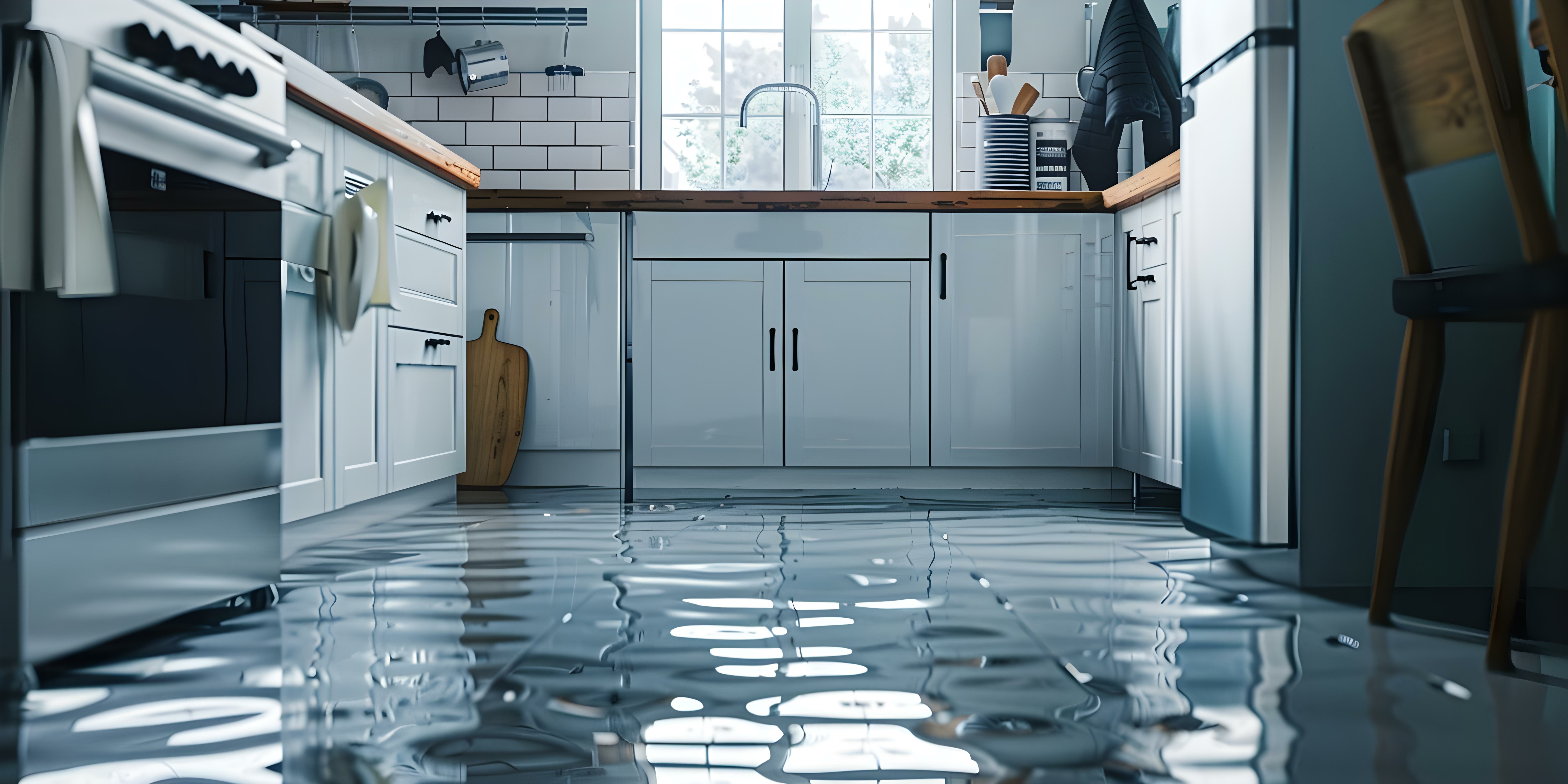
Black water is coming up through your basement floor drain, shower, or toilet — sometimes with solids. That's a sewer backup, and the water is contaminated. It has to be extracted and the porous materials removed before they spread bacteria through the rest of your home. Category 3 water carries pathogens, so removal of porous material is not optional. Cleaning the surface without removing the material underneath achieves nothing. Removal of contaminated material comes before any cleaning begins.
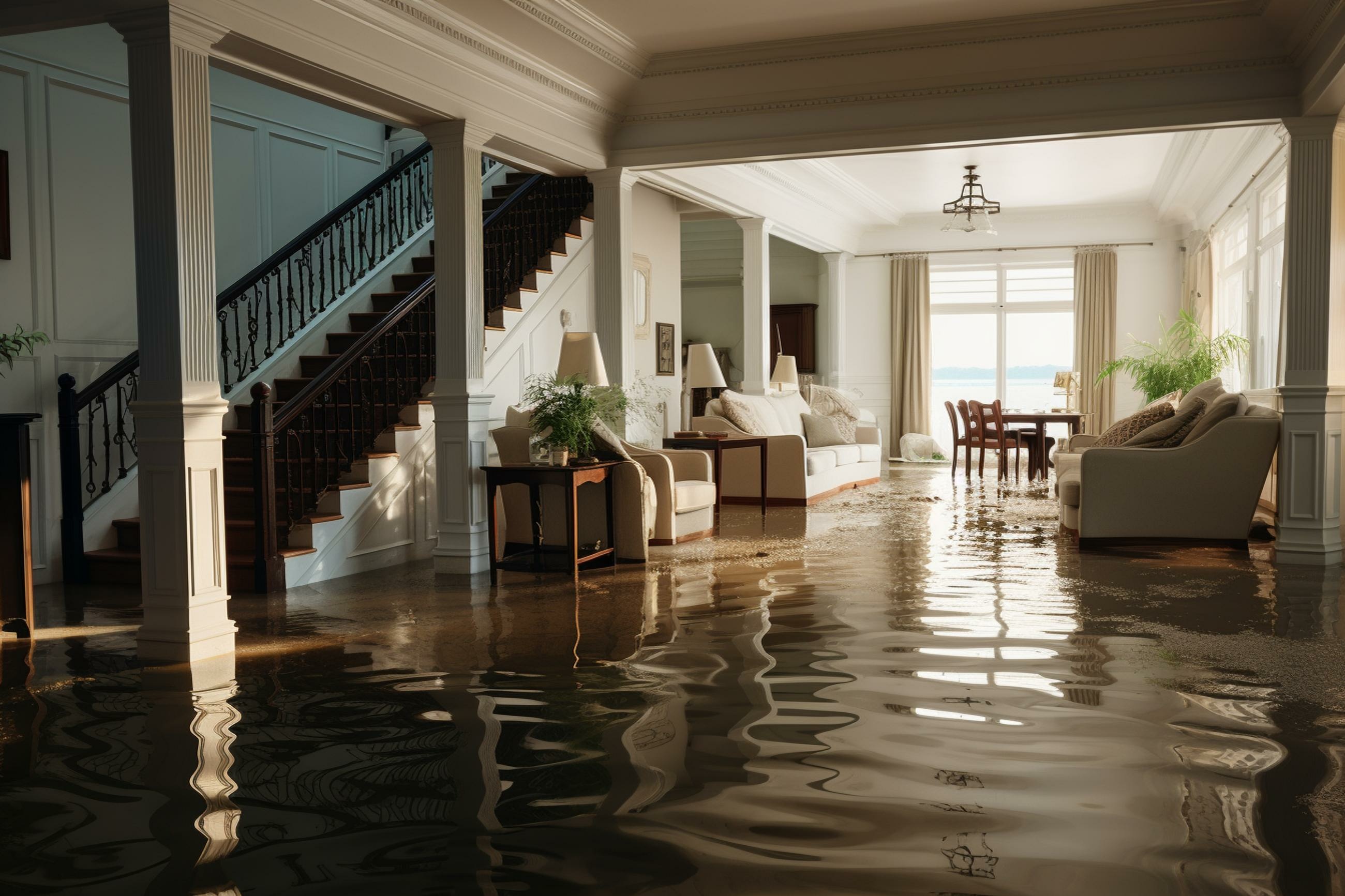
A sump pump failed, a sewer line cracked, or a storm pushed raw sewage into the lowest part of your home. Carpet, drywall, and insulation soak it up fast — and mold takes over inside 24 to 48 hours if it doesn't come out. Waiting turns a contained cleanup into a whole-floor job. Fast removal keeps the affected area to one room. Cleaning starts the same day wherever we can get access.
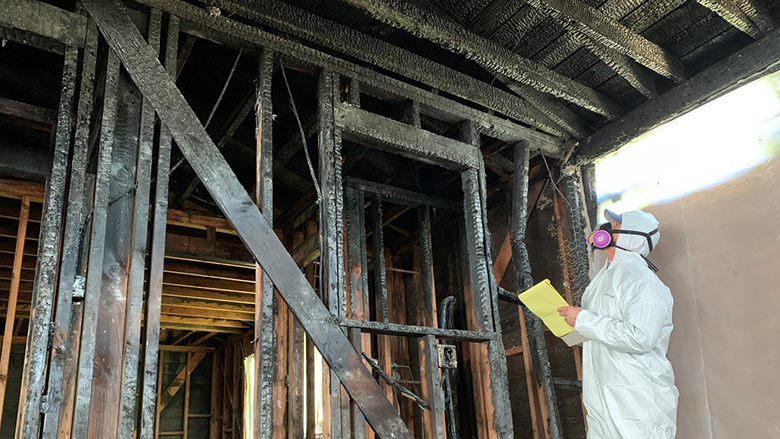
You've discovered blood, a death, or a crime scene on the property. Police don't clean these up, and family shouldn't have to. We handle the trauma cleanup with full PPE, regulated waste disposal, and the discretion the moment calls for. Families are dealing with enough without managing a crew, so scheduling is handled around them. Families are given a plan in writing before anything is touched. Families are never asked to be present for the cleanup itself.
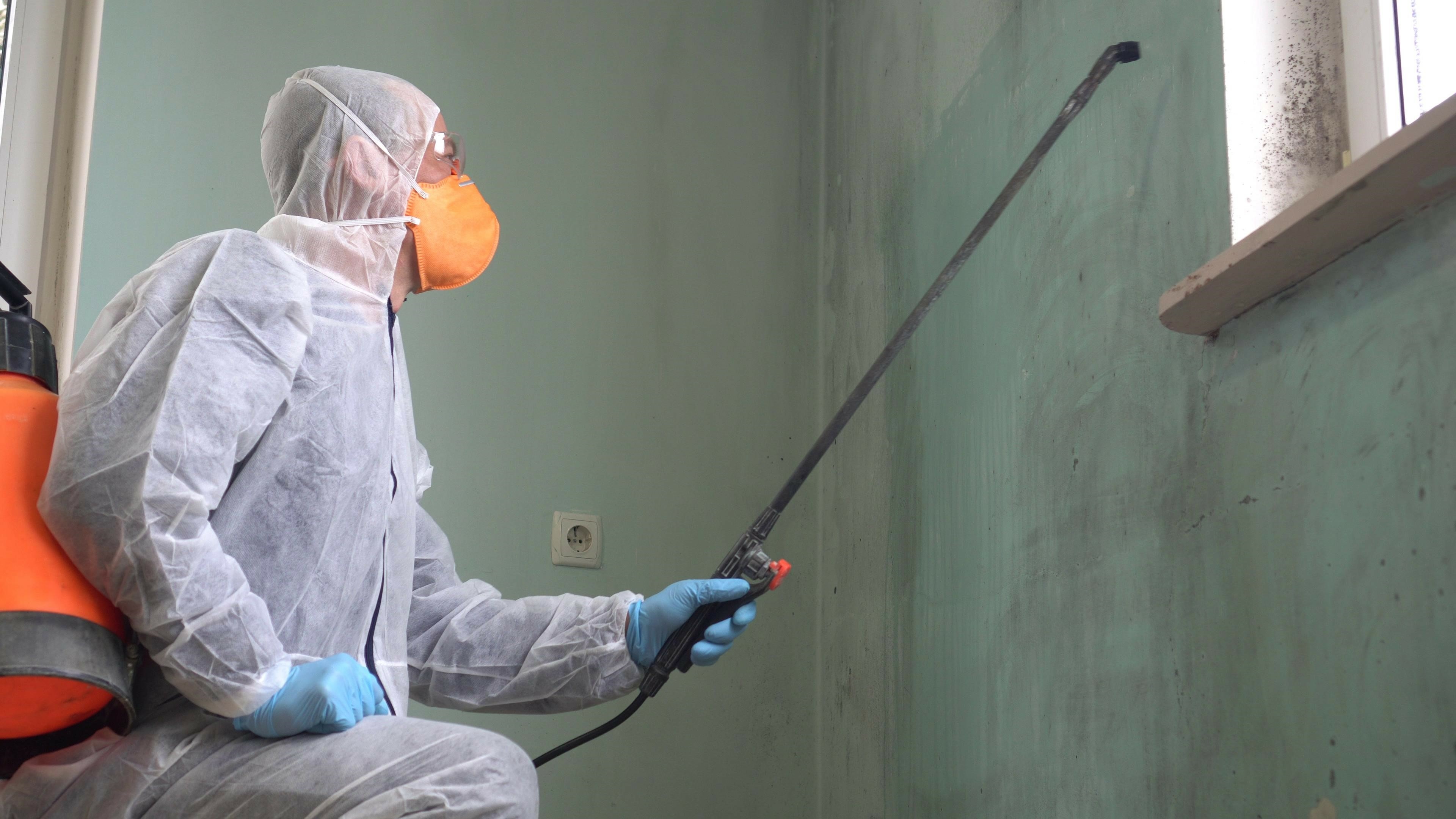
A loved one's home has become unsafe to enter — piles, pet waste, infestation, or odor that won't go away. We handle the hoarding cleanup at a pace that respects the family, with no judgment and a written plan before we start. Scene cleaning follows a documented sequence rather than an improvised one. Scene cleanup follows the same protocol every time. Crime scene cleanup company standards apply on every job of that type.
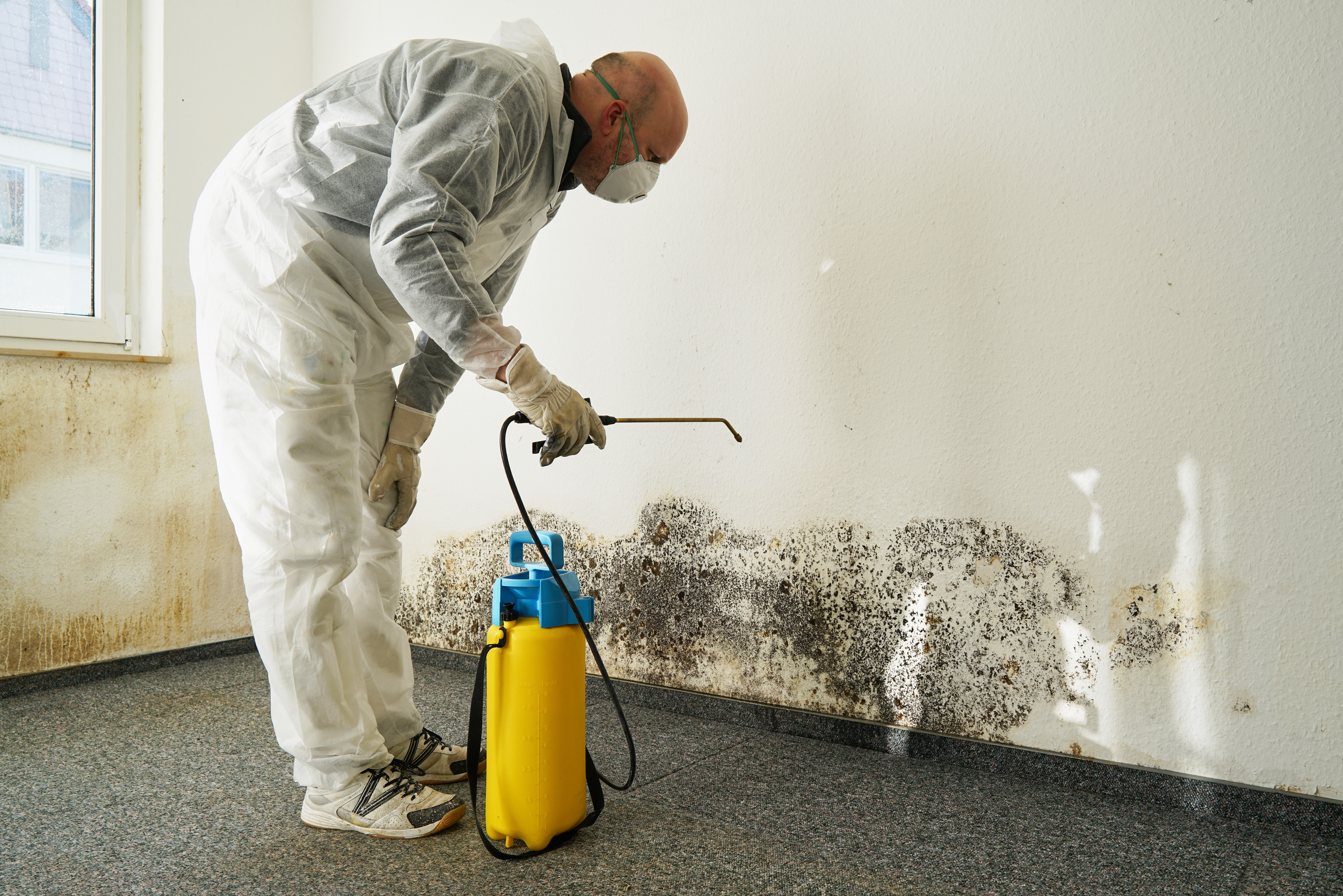
When sewage gets into your home or a biohazard scene needs to be handled, the goal is the same — get your home back to safe, get it done fast, and prove the area is clean before we leave. This is some of the most misunderstood work in restoration. Bleach doesn't fix the bacteria. A shop vac will spread it through your air. And porous materials that soaked up sewage or body fluids have to come out within 24 to 48 hours, or mold takes over. We follow the IICRC S500 standard for sewage and Category 3 water, IICRC S540 for trauma and crime scenes, and the OSHA rules for blood and body fluids. Every job ends with verification testing on the cleaned surfaces and a written report you can hand to your insurance. Death cleanup documentation is written to the standard carriers expect. Cleanup services are documented as they proceed. Every stage of the cleanup is photographed.
When sewage gets into a home, the goal is to remove what's contaminated, dry the rest, and prove the air and surfaces are safe again. The carpet, pad, drywall, insulation, and baseboard that touched the water can't be saved — they have to come out. We pump out the water, demo what the standard requires, scrub and disinfect every hard surface with an EPA-registered product, dry the structure with our equipment, and run verification testing before we sign off. ATP testing gives a number rather than an opinion about whether a surface is clean. Cleaning is confirmed by testing, not by appearance. Cleaning is repeated until the readings pass.
When blood, body fluids, or a death are part of the scene, the goal is to give the family one less thing to carry — get the home back to safe, do it with respect, and keep it private. We arrive in unmarked vehicles, set up containment, remove every affected material into regulated medical waste, and seal in any odor that's penetrated framing or subfloor. We coordinate with law enforcement when they need the scene first, and with your insurance carrier when it's a covered direct loss. Biohazard cleanup services are usually covered when the loss is sudden. Biohazard cleanup on a covered claim is settled directly with the carrier.
Hoarding cleanup is part biohazard, part triage, part respect. We work with the family at the pace they can handle — sort, donate, dispose, haul what needs to leave, deep-clean every surface, and treat for pests if needed. No judgment, no rush, no surprise charges. Hoarding work in particular is paced to what the family can handle. Hoarding cleanup is scheduled in stages when that suits the household. Hoarding cleanup is the slowest of these jobs and the most personal.
From the first call to ATP verification — here's exactly what to expect. The same process runs whether the call is a backup, a death, or a hoarding cleanup. Death cleanup and hoarding work follow the same documented sequence. The work is sequenced so nothing is missed.
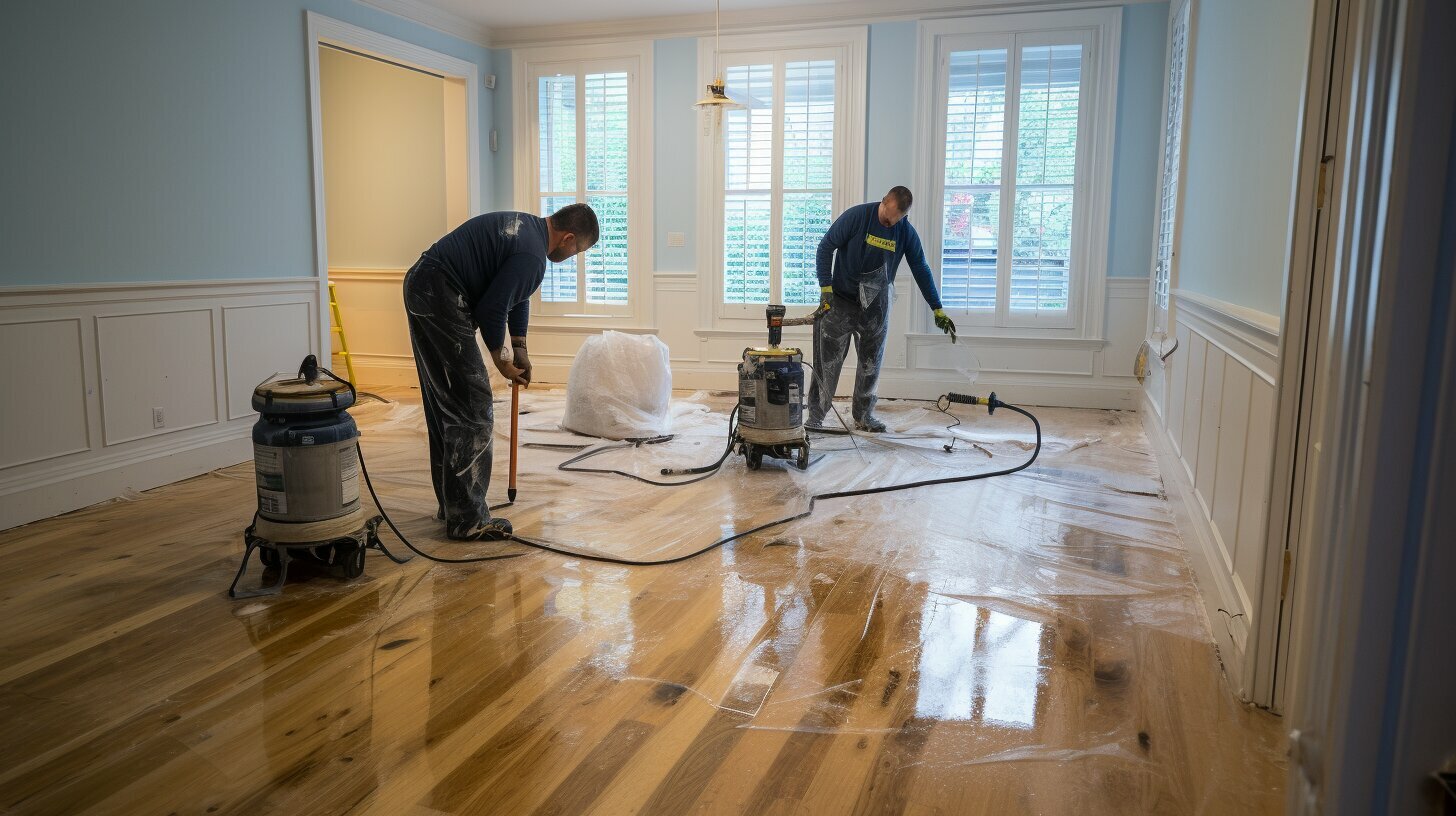
The work needs to be done right — to the standards, with documentation. Here's what you get when you call us. Crews trained specifically for biohazard cleaning, not general labor reassigned for the day. Cleaning crews carry the certifications this work requires.
When you call us, you get IICRC-certified specialists working to the actual industry standards — S500 for sewage, S540 for trauma and crime scenes, and OSHA's bloodborne pathogen rules for blood and body fluids. We don't skip the demo, we don't spray over the problem, and we don't close a job until verification testing confirms it's clean. Cleaning to a verified standard is the whole point of hiring professionals. Public health standards define what clean actually means here.
When the loss is covered, we bill your insurance directly so you only pay your deductible. You get a written scope before we start, photo documentation at every stage, and a regulated waste manifest at the end. We don't take an assignment of benefits — Florida banned that in 2022 — so the paperwork stays straight, the claim stays clean, and you stay in control of your policy. Public health rules govern how the waste leaves the property.
We treat your home the way we'd want ours treated. For trauma and unattended death cleanup we arrive in unmarked vehicles, work with discretion, and coordinate with the family on their terms. For hoarding cleanup we work without judgment, at a pace the family can handle. Every job comes with a written scope, a 30-day satisfaction re-inspection, and a real person you can call when you have a question. Families get one contact rather than a rotating crew. One coordinator handles the whole cleanup from start to finish. Public agencies are notified where the situation requires it.
Suncoast Mold & Water Restoration provides sewage and biohazard cleanup across our full South Florida service area. Homes, offices and rental property are all handled the same way. Offices and commercial property get the same cleanup standard. Cleaning standards do not change between residential and commercial work.