Professional mold inspection and indoor air quality testing. Independent assessment only — we test, document, and write the cleanup plan. We never perform the remediation ourselves.
Schedule a Mold Inspection
Thank You!
We'll get back to you shortly. For immediate help, call (941) 205-7980.


Most mold problems start out of sight. These are the signals that mean it is time to test. A mold inspection settles the question either way, which is worth more than guessing. Most homes we inspect turn out to have a smaller problem than the owner feared.
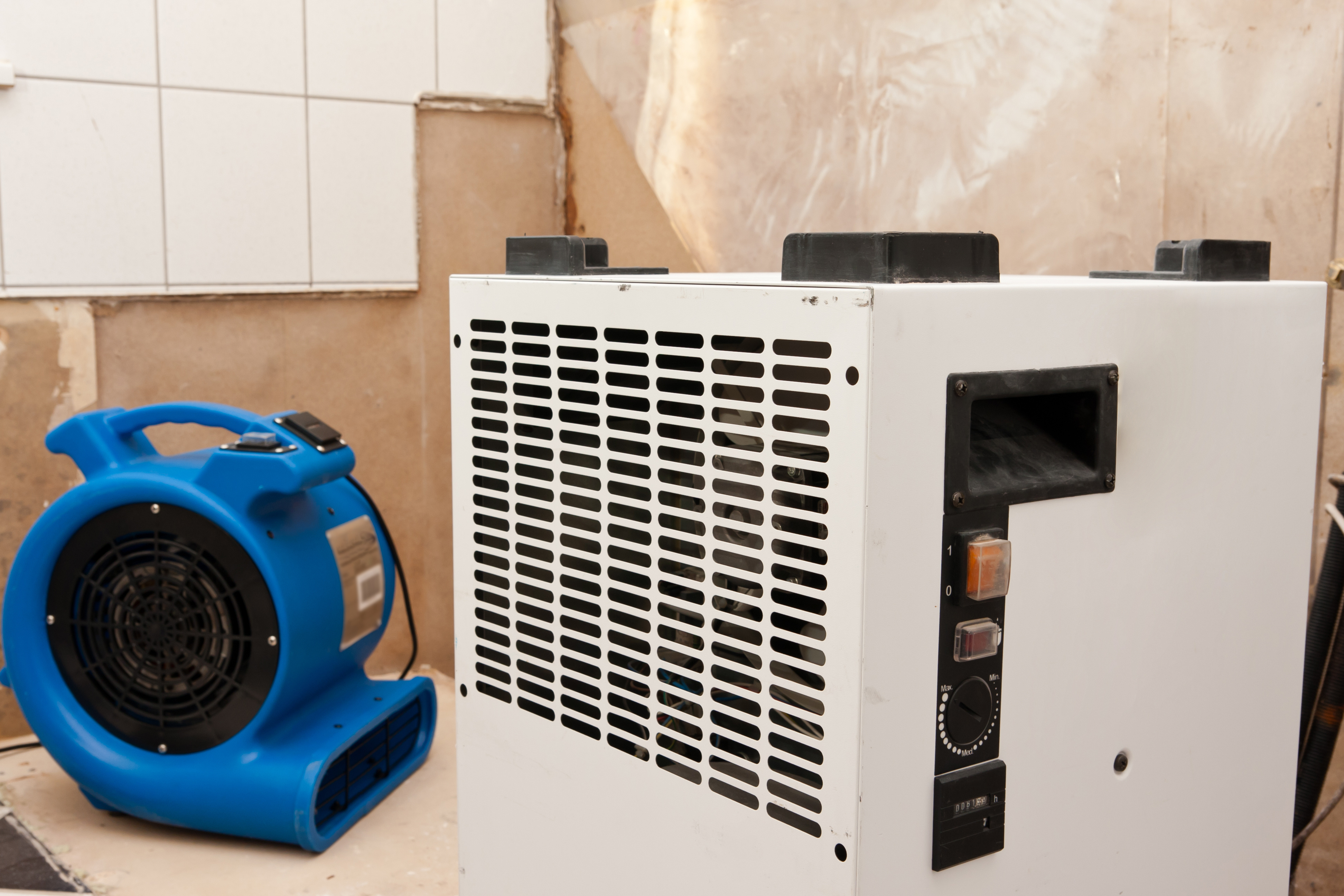
A persistent musty or earthy odor often points to mold growing where you cannot see it — inside a wall, under flooring, or in an HVAC system. Air quality testing finds it. Mold testing measures what a walkthrough cannot, especially behind finished surfaces.
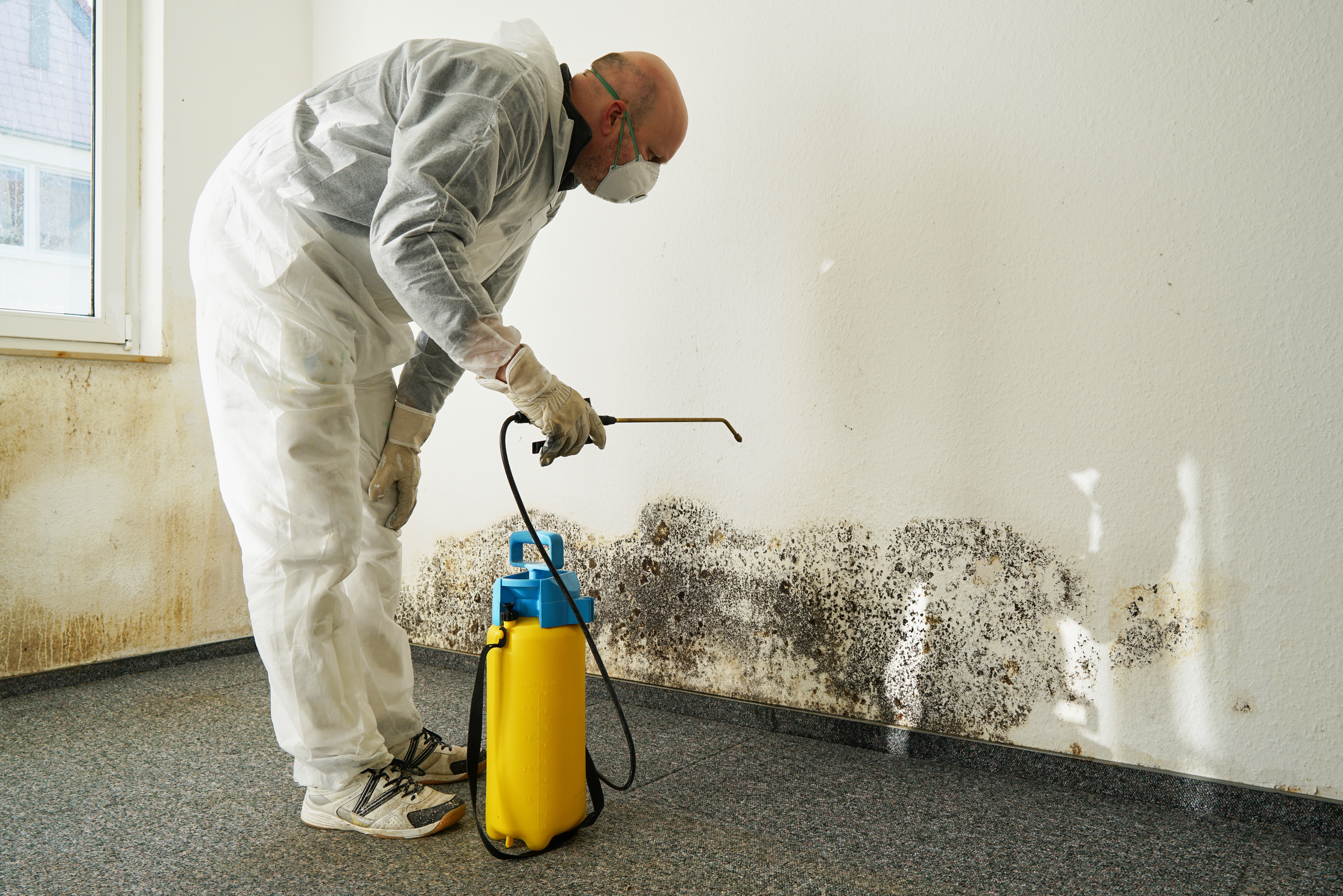
Dark spots on drywall, ceilings, baseboards, or under sinks could be mold, mildew, or a water stain. A surface sample sent to an accredited lab confirms what it is and what type. Species matters because some require containment that others do not.
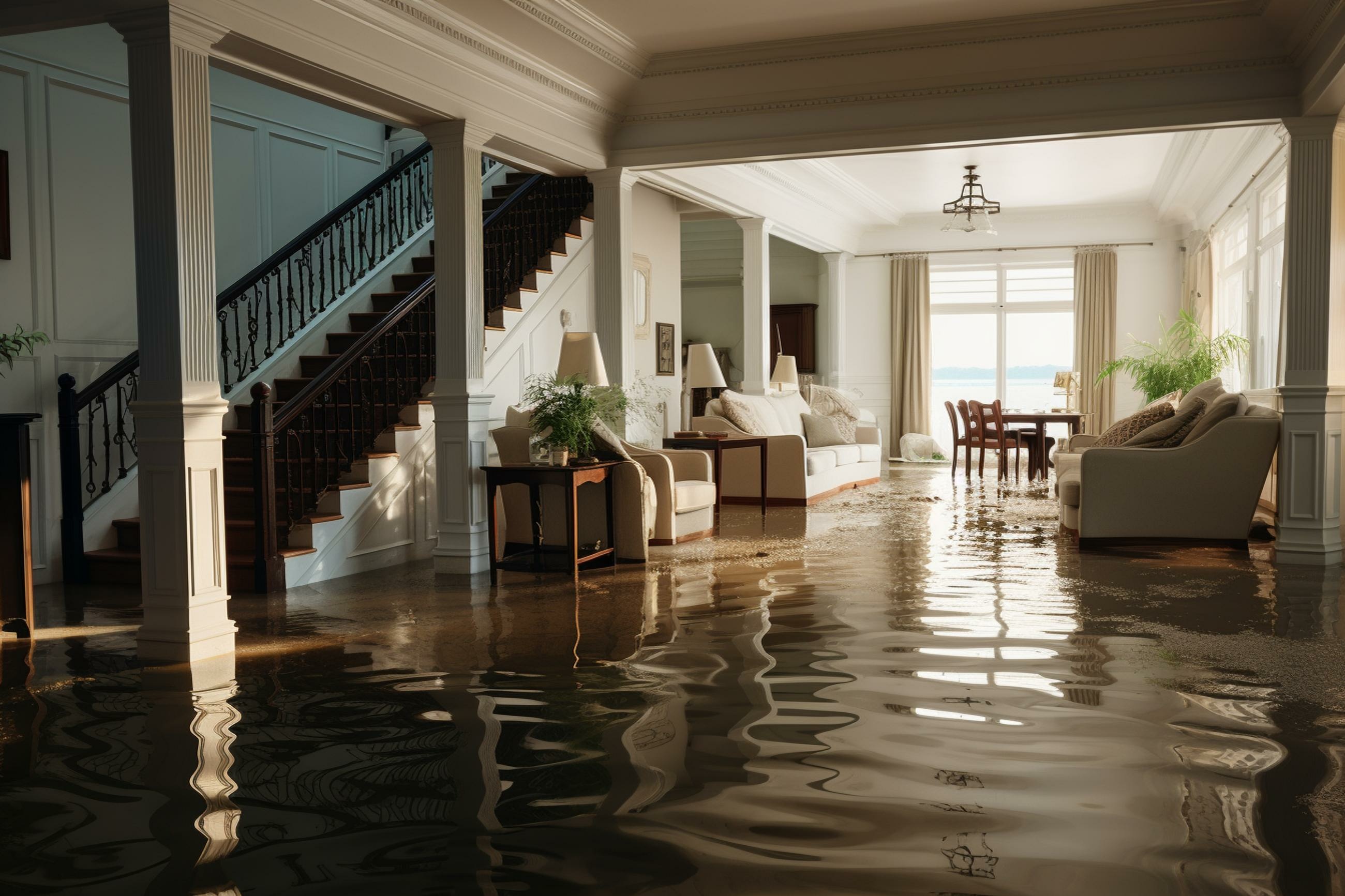
Mold can start growing within 48 to 72 hours of water exposure. After a burst pipe, AC overflow, roof leak, or water damage event, an inspection catches hidden moisture before mold has time to spread. Thermal and moisture mapping covers the areas most likely to hold damp. The areas behind cabinets and under flooring are checked as standard.
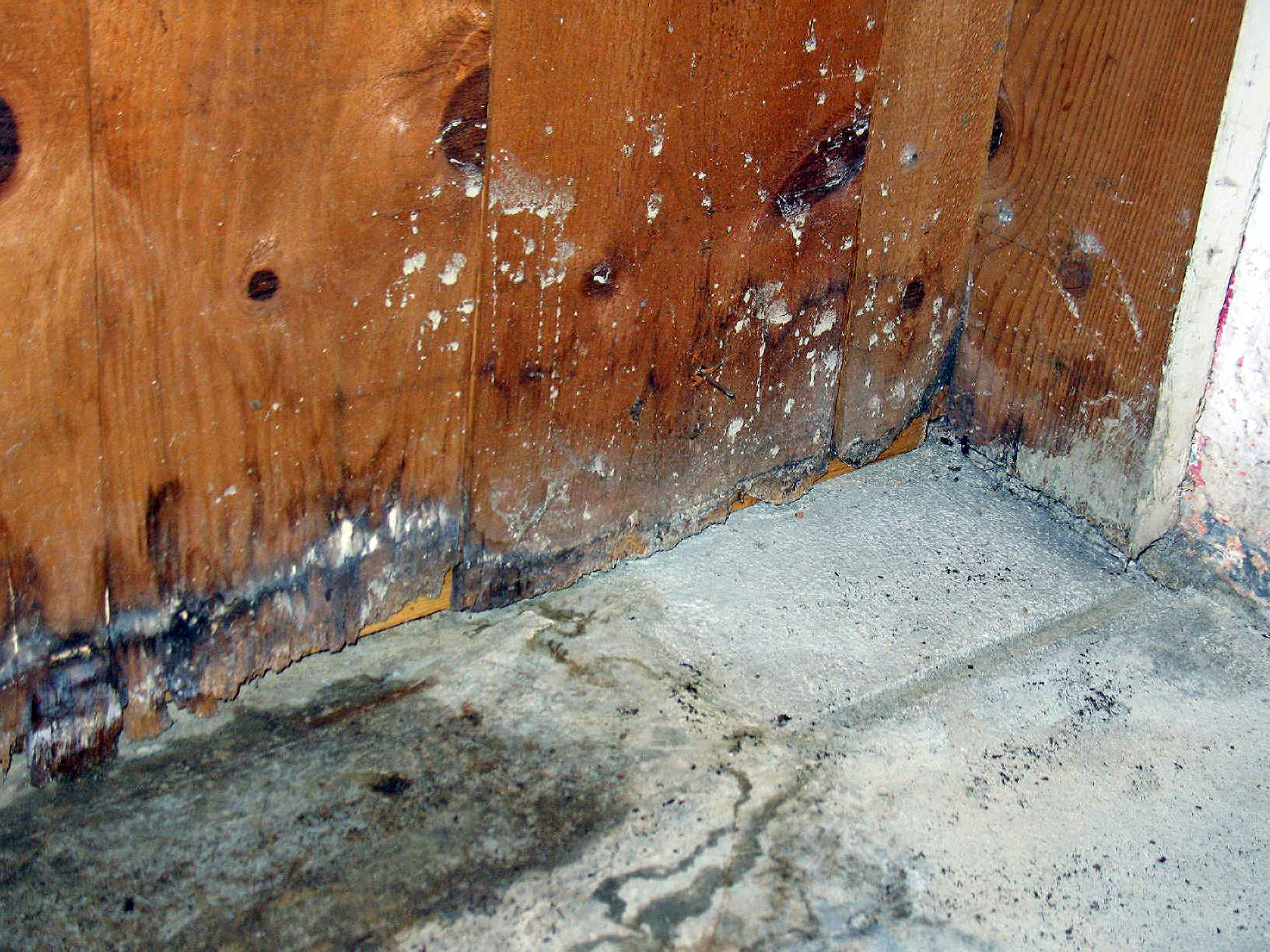
Sneezing, coughing, sinus pressure, or asthma flare-ups that ease when you leave the house often signal an indoor air quality issue. Air quality testing measures the spore count in your air. Mold spores are always present at some level, so the comparison against an outdoor baseline is what makes the number meaningful.
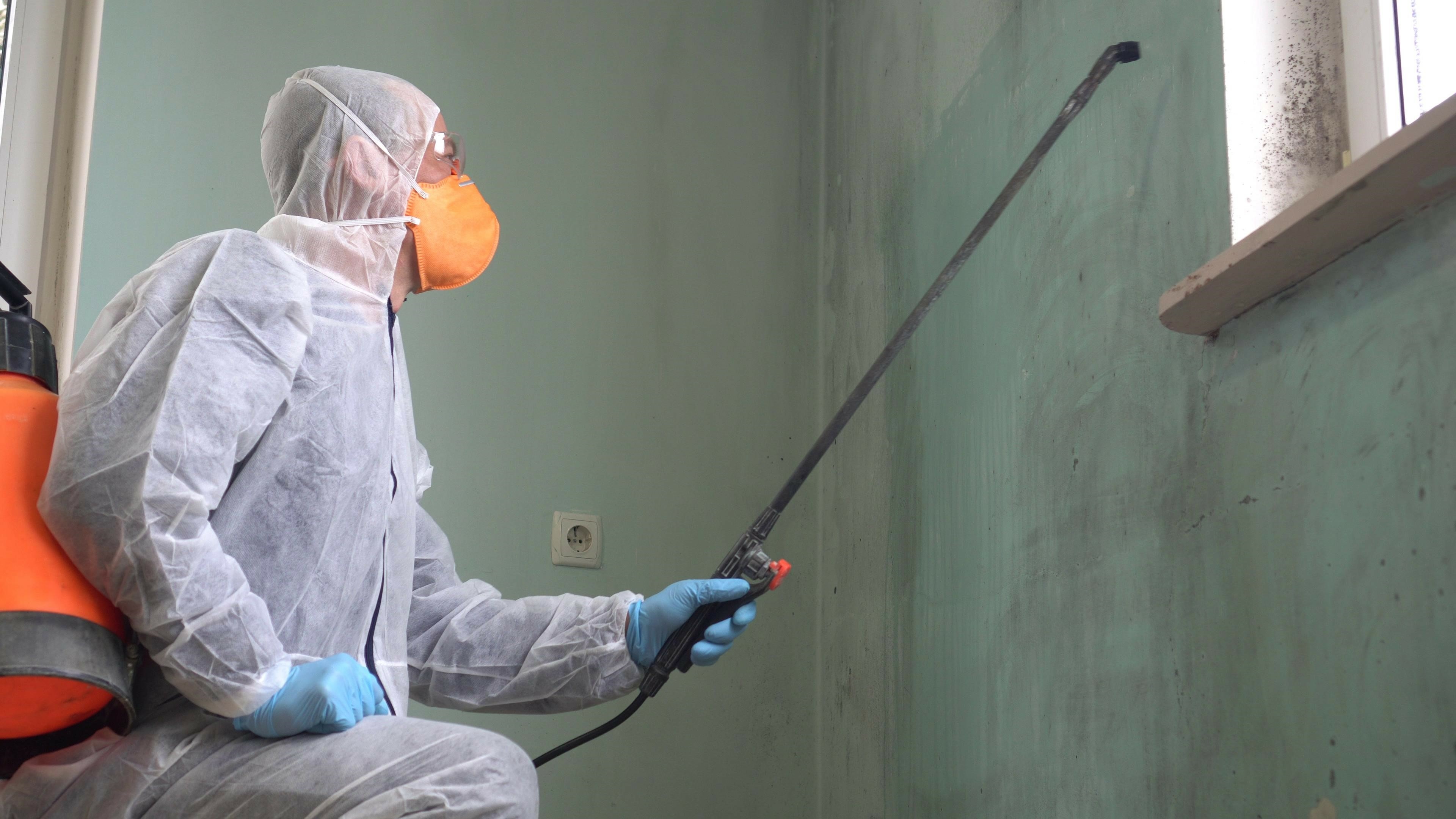
A mold inspection identifies the source, type, and extent of mold growth in a home. Air quality testing measures airborne spore concentrations indoors compared to an outdoor baseline. Together, they give you a clear picture of what is in your air and where it is coming from. Because our inspectors do not perform remediation, the findings are not tied to the cost of any cleanup work. An independent mold inspection has no financial interest in finding a problem. That independence is the whole point of a separate mold inspection.
Every inspection includes a calibrated air sampling pump, an outdoor baseline sample, full visual assessment, thermal imaging, and moisture mapping. All samples are analyzed by an accredited lab. If mold is confirmed, your report includes a written remediation protocol — a scope of work any licensed mold remediation company can use to bid the job. Mold inspectors who also sell the cleanup have an obvious conflict.
A pre-purchase mold inspection identifies hidden mold issues during your due-diligence window. The report gives you the information you need to negotiate, request repairs, or walk away from the deal. A pre-purchase mold inspection typically costs a fraction of what a surprise remediation does.
Clearance testing confirms that a remediation job was completed correctly before reconstruction begins. The verification includes an independent visual check, air samples, and surface samples — performed by a different company than the one that did the cleanup. Post-remediation verification is only meaningful when a different professional performs it.
Mold often starts in low-traffic areas like crawl spaces, attics, HVAC systems, and basements. Targeted inspections of these spaces catch hidden growth that affects the air throughout the rest of the house. Containment failures show up in the surrounding areas long before anyone notices them.
From outdoor baseline to lab-verified report — here's exactly what to expect. The mold inspection process runs the same way in every home we visit.
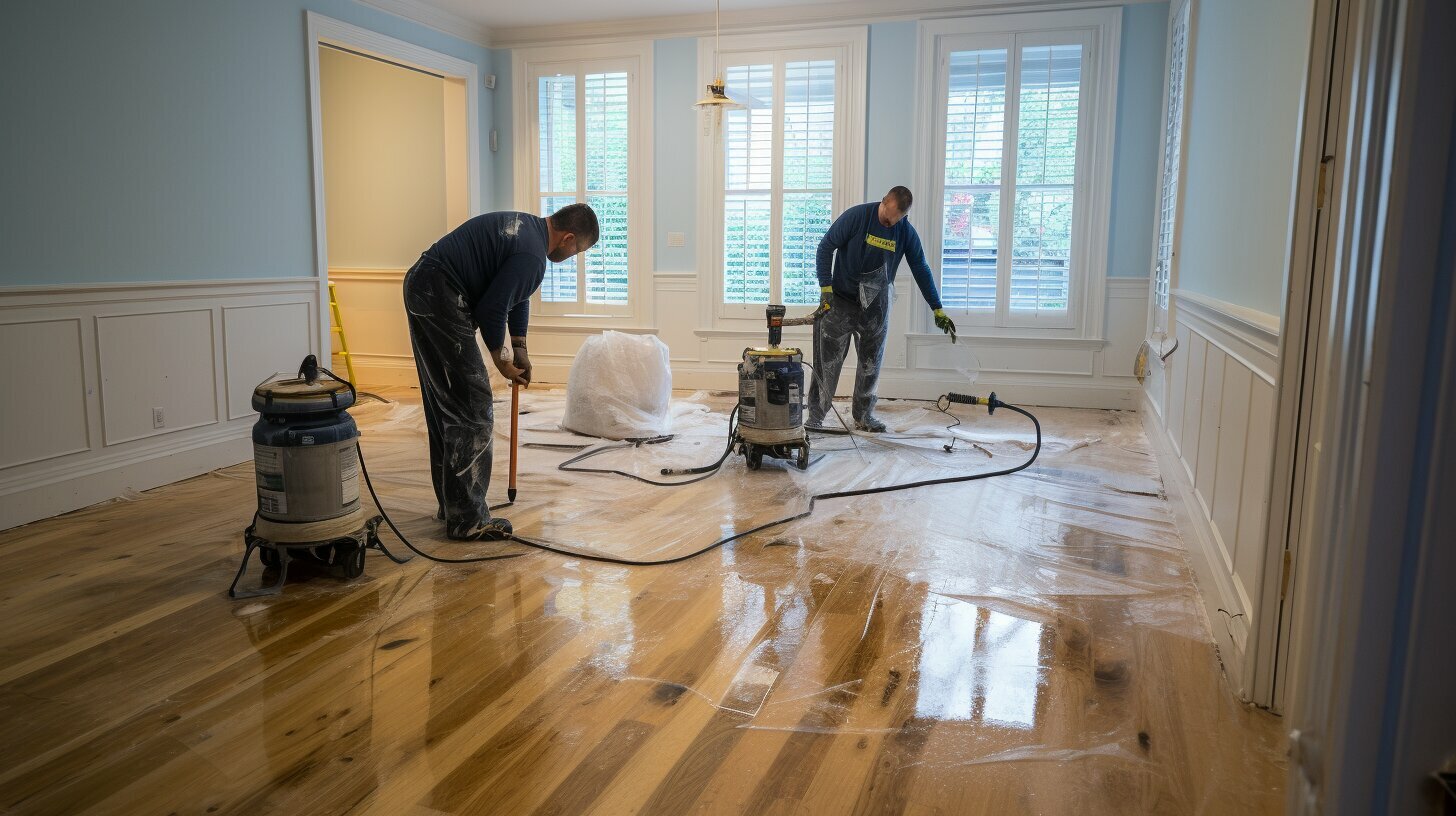
Independent, IICRC-certified, with a written remediation protocol. Here's what you get.
Suncoast Mold & Water Restoration is family-owned and built specifically for independent mold inspection and air quality testing. Our inspectors do not perform remediation, which removes any incentive to oversell findings. Your fee is the same whether mold is confirmed or not. You are paying for the finding, not for a particular answer. A clean result is still a useful result.
Every mold inspection follows the same complete process — calibrated air sampling, outdoor baseline, indoor sampling, thermal imaging, moisture mapping, and accredited lab analysis. One-sample shortcuts and vague write-ups are not part of the standard. If mold is found, your report includes a written remediation protocol any licensed remediator can use to bid the work. Environmental documentation gives every bidder the same information to price against.
Our inspectors hold IICRC certifications, including AMRT for microbial remediation knowledge and WRT for water damage. For insurance claims, the report provides the dated documentation adjusters need. For real-estate transactions, our turnaround fits standard contingency windows. Most inspections in medium-sized houses are finished in about two hours on site.
Suncoast Mold & Water Restoration provides independent mold inspection and air quality testing throughout our service area. Mold assessment and remediation are deliberately kept as separate services here.