
When you find mold in your home, we move fast. Full containment, complete removal, and verified clean air — backed by IICRC-certified specialists. Free inspection, 24/7.
Get a Free Inspection Now
Thank You!
We'll get back to you shortly. For immediate help, call (941) 205-7980.





These are the most common signs of a mold problem that needs a professional. Mold growth spreads from a moisture source, so remediation that skips the source is temporary. Finding the water is the first step every time. A professional assessment tells you how far the growth actually reaches. Mold remediation is a defined process, not a cleaning job. Mold growth of this kind spreads faster in a humid house.
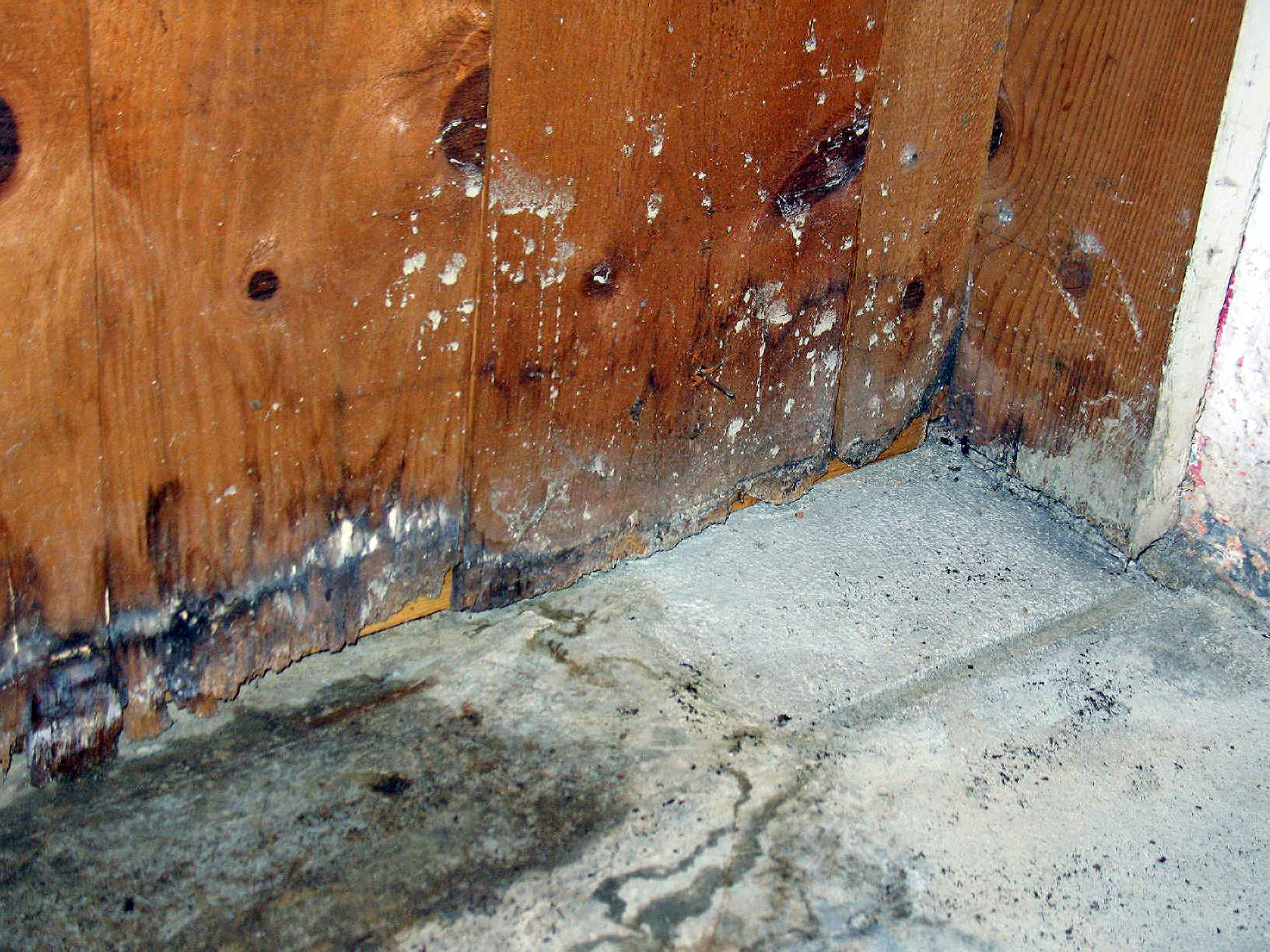
Dark spots are spreading on the drywall behind a sink, toilet, tub, or appliance. Drywall isn't something you can scrub clean — the paper facing feeds mold and needs to come out. Porous material that mold has taken hold in cannot be cleaned back to safe. It comes out, and the cavity behind it gets dried completely. Framing is treated with HEPA vacuuming and antimicrobial, not painted over. Remediation always removes material rather than sealing it in.
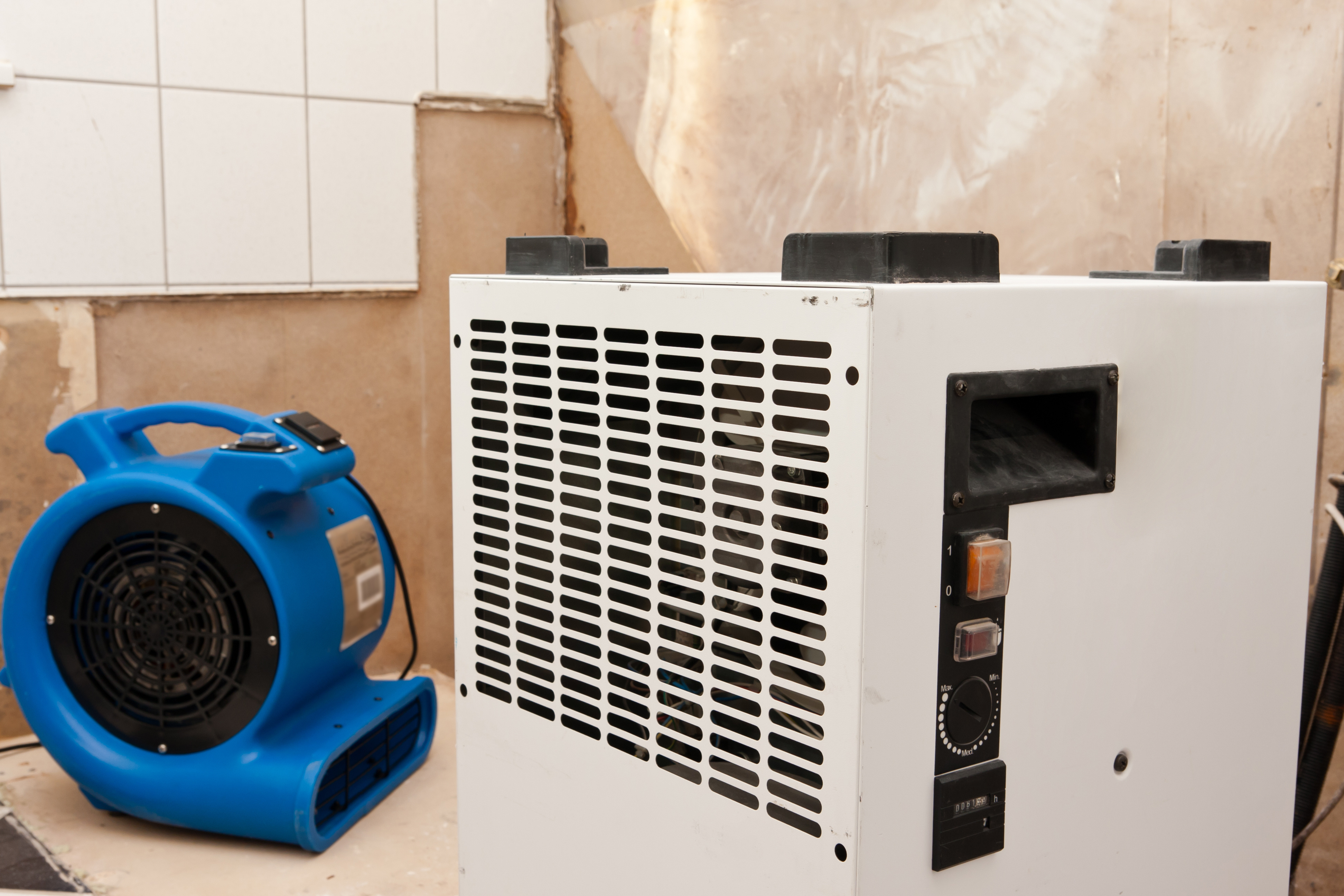
You smell that wet, earthy odor every time you walk in and it never quite leaves. The mold is hidden — usually inside a wall, under flooring, or in the HVAC. Hidden mold behind a wall is the reason air quality testing matters more than a visual check. Ductwork spreads spores through a house faster than anything else.

A burst pipe, a ceiling leak, an appliance overflow — and it wasn't fully dried out within 48 hours. Mold gets into wet drywall, insulation, and framing fast. Water damage and mold arrive together, which is why the two services overlap so often. Restoration after water damage should include a mold check as standard. Restoration and remediation are quoted together for that reason.
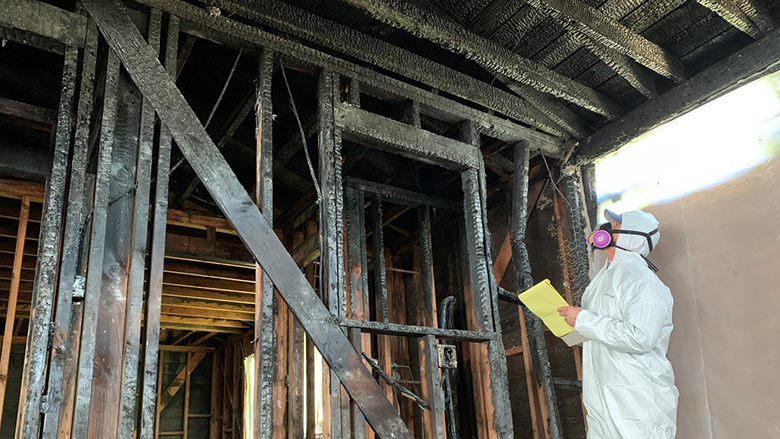
White or fuzzy growth on floor joists, the underside of the subfloor, or roof sheathing. It's almost always a humidity or ventilation issue — and bigger than what you can see. The visible patch is usually a fraction of the contaminated area. Mold growth follows humidity, so the damage tracks the damp rather than the room layout. Remediation scope is set by the affected area, not the stain.
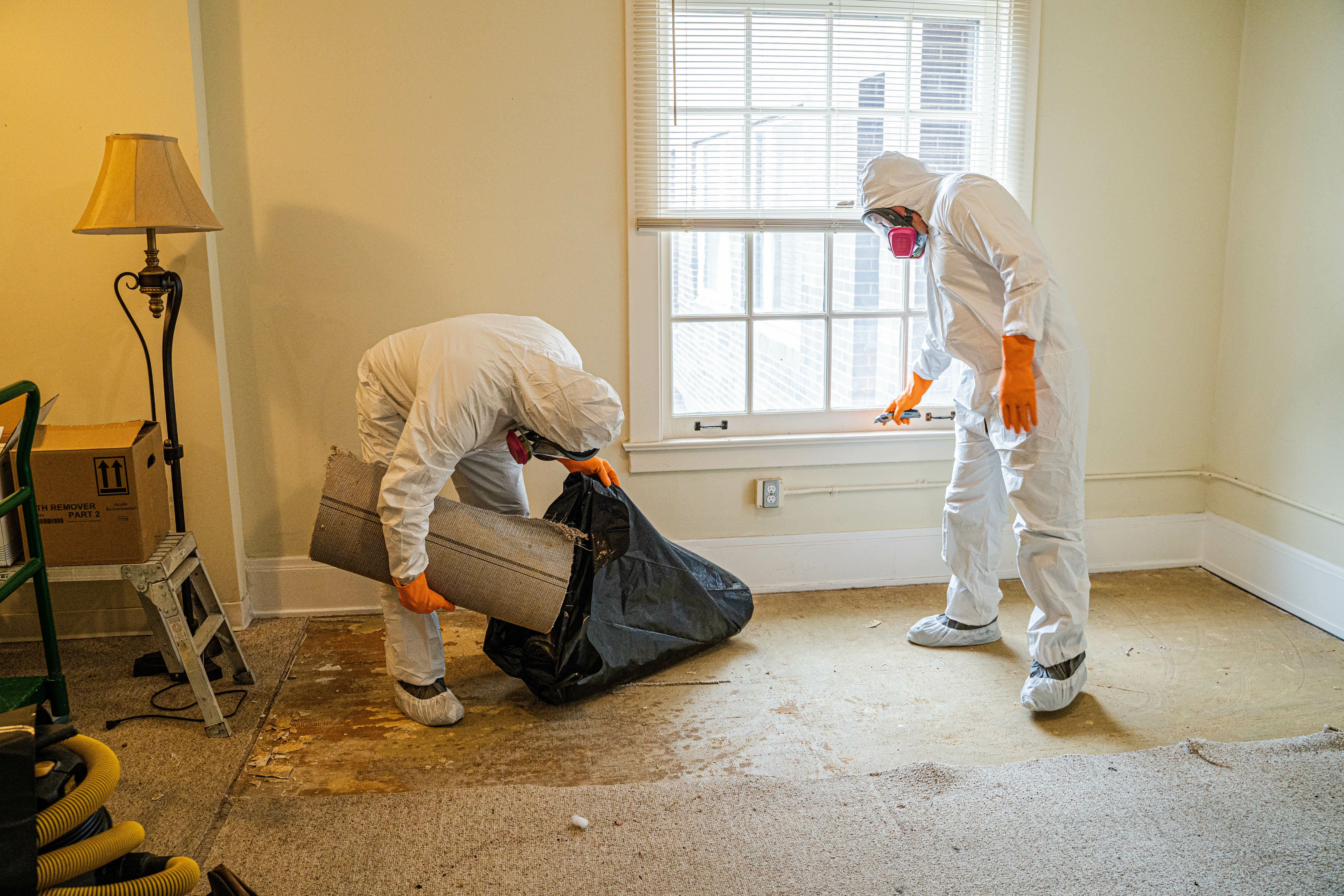
Mold takes hold when water meets a surface and sits there. A leaky pipe, a slow roof drip, hurricane water that got into the wall, an AC that's been dripping onto the ceiling — once moisture stays long enough, mold spreads. We find where the water is getting in, remove the mold and any material it's grown into, and verify the air is clean before we leave. Clearance testing is what separates professional remediation from a cleanup that looks finished. Sampling before and after gives you a number to hold us to, not a promise.
If you've found dark, spreading mold, we treat the job with extra protective gear, full containment, and a follow-up air-quality test to confirm it's gone. The color alone doesn't tell us how risky it is — what it does tell us is to take no chances with your family's air. Containment and HEPA filtration keep spores from moving into rooms that were never affected.
Mold in a crawl space almost always means the air down there is too wet. We clean the joists, lay a vapor barrier across the ground, and put a properly sized dehumidifier in place to keep humidity in check. Without controlling the moisture, mold will be back inside a year. Mold mitigation without fixing the water is money spent twice. Work that skips the source is the reason people pay twice. Drying and the repair belong in the same scope.
When mold shows up after a burst pipe, ceiling leak, or appliance overflow, we work in two phases. First we finish drying out the water damage — walls, insulation, and framing all need to come back to normal moisture levels. Then we remove anything the mold has taken over and confirm the air is clean before drywall or paint goes back up. Hard surfaces are treated with an antimicrobial once the material is out. Every hard surface in the containment gets treated, not only the visible patch. Rebuild only starts once the remediation has been signed off.
From source identification to clearance testing — here's exactly what to expect. The remediation process follows the same sequence on every job, whether residential or commercial. Commercial jobs follow the same process with more equipment. Every remediation job here follows the same written sequence.
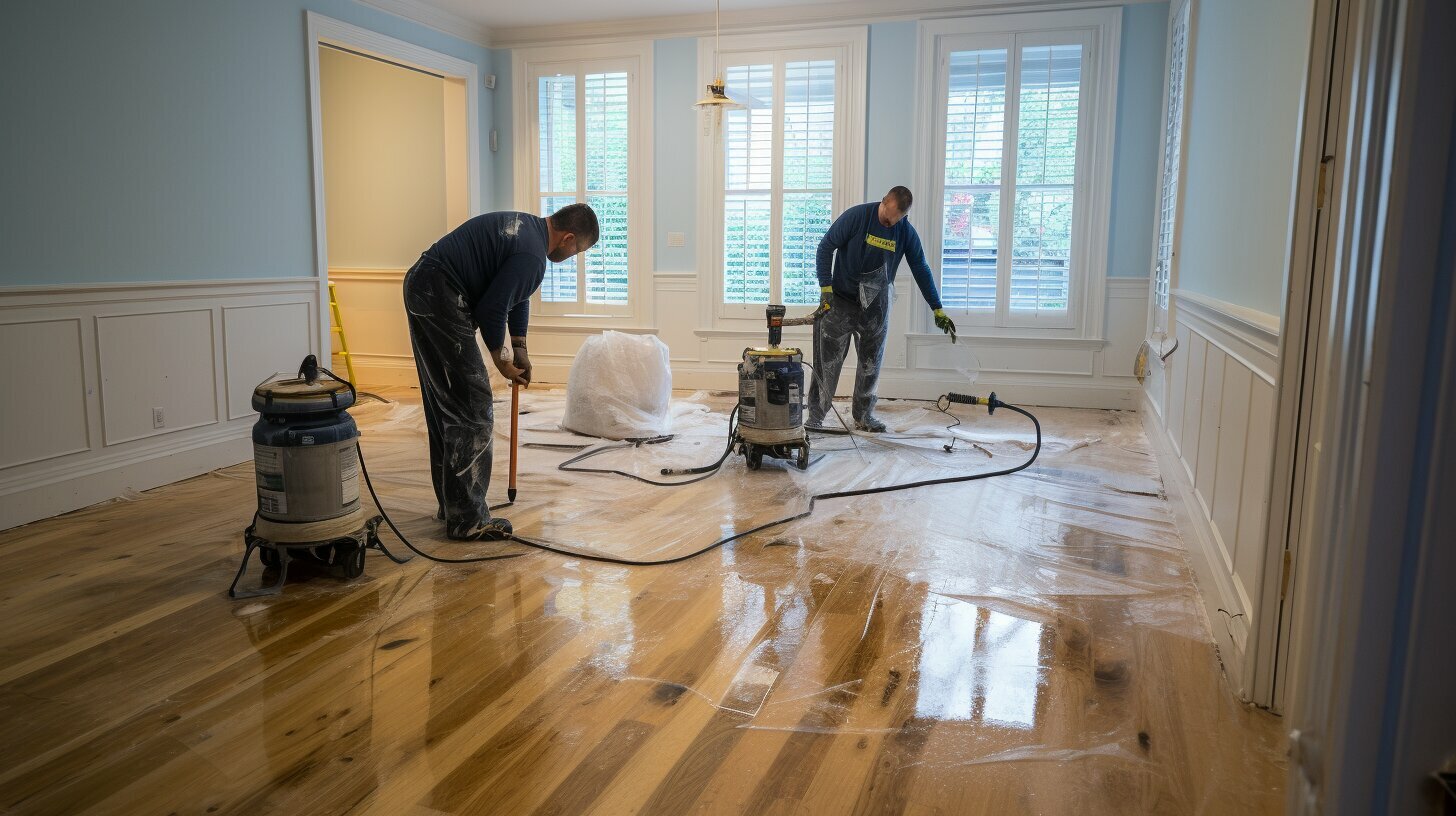
IICRC-certified, fully documented, and verified clean before we leave. Here's what you get. Environmental controls stay in place until the clearance result comes back.
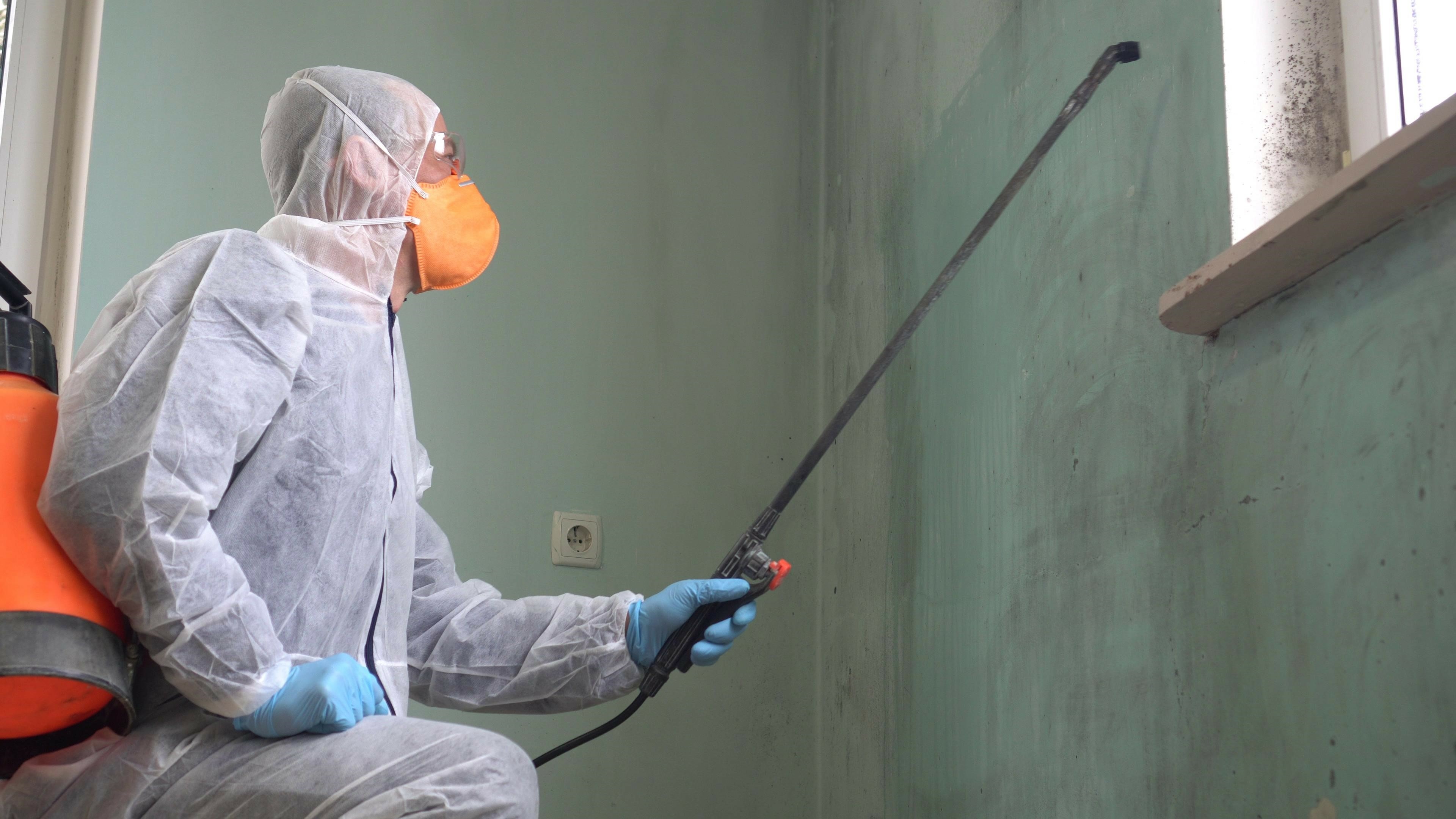
When you call us, you get IICRC-certified specialists working to the ANSI/IICRC S520 standard — the national protocol for mold remediation. That means full containment around the work, complete removal of contaminated material, and a verified air-quality test before we call the job done. Indoor air quality is the measurement that closes the job, not our own opinion of the work. A clearance result is the only proof that matters. EPA guidance treats anything past ten square feet as professional scope.
When the loss is covered, we bill your insurance directly so you only pay your deductible. We document every step with photos, list every removed material, and hand you a written record of the entire job. Photographs, meter readings and the air results all go in the file.
We're not here to sell you something you don't need. If the area is small enough to handle on your own, we'll tell you. Every job we take on comes with a written scope, a written warranty, and a free 30-day re-inspection. Remediation services here include the follow-up rather than charging for it separately. Mold restoration is finished when the testing says so. Mold remediation done to standard should not need repeating.
Suncoast Mold & Water Restoration provides mold remediation and removal across our full South Florida service area. Commercial and residential jobs both get the same containment and the same testing. Both residential and commercial properties get containment as standard. Humidity here makes mold growth a year-round problem rather than seasonal.